

Understanding What Really Builds Lasting Habits
Healthy habits stick when kids feel both guided and safe. Think of it as a steady mix of clear expectations, warm connection, consistent follow-through, and calm communication. An evidence-based parenting approach keeps you in charge without relying on threats, guilt, or lectures. This matters because children repeat what feels predictable and emotionally secure. When rules are clear and your response stays steady, kids argue less and cooperate more. You spend less energy “winning” moments and more energy building routines that last.
For example, instead of battling over vegetables, you set the menu, offer one safe option, and stay friendly. You also give attention and praise at regular times, since NCR (Noncontingent Reinforcement) provides reinforcement that is not tied to perfect behavior. The same steadiness shows up in role modeling, including how parents pursue growth and structure at home.
Model Growth at Home: Make Lifelong Learning Part of Wellness

Once kids see that lasting habits are built through steady, repeatable choices, your own example becomes one of the strongest teachers at home. One powerful way to model wellness is to treat learning like a lifelong practice, showing your child that growing as a person doesn’t stop after school ends. When they watch you keep your curiosity alive, work toward goals, and stick with something over time, “taking care of myself” starts to look like a family value, not just a rule for them. By furthering your own knowledge through earning an online degree, like a flexible online computer science degree, you model the importance of continuous learning while advancing your career. And by earning a computer science degree, you can build your skills in IT, programming, and computer science theory.
Simple Family Habits That Stick
Habits matter because kids learn most from what gets repeated at home, not what gets said once. These simple practices turn healthy eating habits, movement, screen time limits, and stress management techniques into positive family routines you can sustain.
Color-First Plate
What it is: Add one fruit or vegetable to every meal, first.
How often: Daily
Why it helps: It builds healthy eating habits without strict rules.
After-Dinner Family Move
What it is: Take a 10-minute walk or dance break together.
How often: Daily
Why it helps: It normalizes physical activity as a family rhythm.
Snack Plan Sunday
What it is: Prep two grab-and-go snacks using MyPlate ideas.
How often: Weekly
Why it helps: It reduces impulsive choices when everyone is hungry.

Screens Parked Before Bed
What it is: Charge devices outside bedrooms and set a clear cutoff.
How often: Nightly
Why it helps: Better sleep supports mood, focus, and appetite cues.
Two-Minute Calm Reset
What it is: Do box breathing together before homework or after conflict.
How often: Daily
Why it helps: It teaches stress management techniques kids can use anywhere.
Healthy Habit Questions Parents Ask Most
Q: How do I handle refusal without turning it into a power struggle?
A: Keep the boundary simple and calm, then offer two acceptable choices. Balanced discipline means clear expectations and consequences paired with warmth, so you can stay firm without getting harsh. If emotions rise, pause and try again when everyone is regulated.
Q: What if my child won’t try healthier foods at all?
A: Aim for low-pressure exposure, not a “clean plate” battle. Many kids try something up to 15 times before they decide, so keep portions tiny and praise tasting, not finishing. Let them pick one produce item at the store to increase buy-in.
Q: How can I motivate movement when my kid says it’s boring?
A: Shrink the goal to “just start” for five minutes, then let them choose the activity. Rotate options like music, a quick game, or a walk with a “talk topic.” Track effort with a simple family sticker chart, not calories or weight.
Q: When should I enforce screen rules without constant arguing?
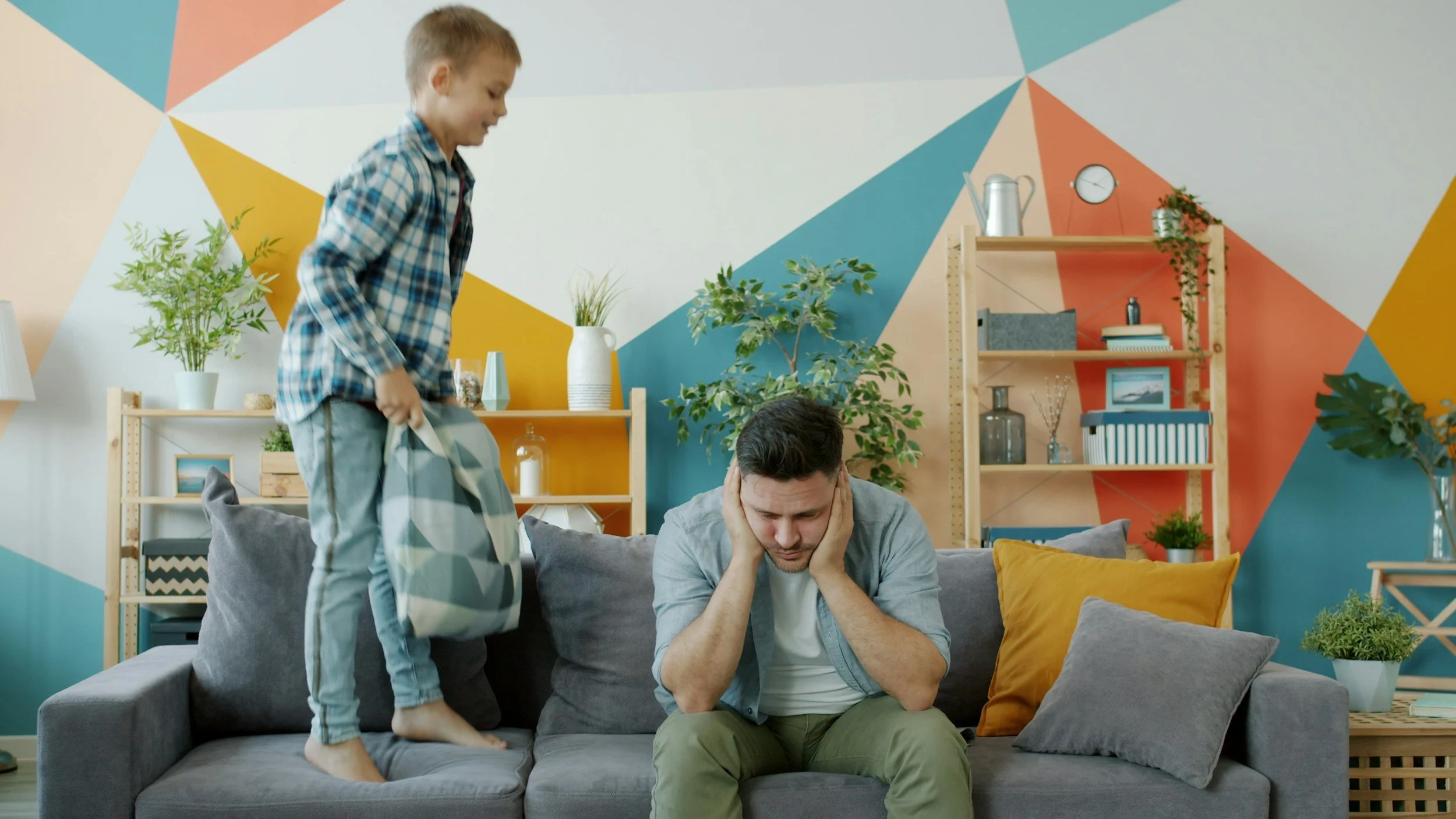
A: Set predictable times and remove decision-making in the moment. Set limits around social media use by creating a shared charging spot and keeping phones out of bedrooms. Focus on what screens are replacing, like sleep or connection, rather than “screens are bad.”
Q: Can I stay consistent if I’m tired or co-parenting is uneven?
A: Pick one non-negotiable rule and one flexible area so you do not try to fix everything at once. Write the routine on a note everyone can see, and agree on a reset plan after slip-ups. Consistency is about returning to the plan, not being perfect.
Start Small to Grow Kids’ Healthy Habits for Life
Keeping kids healthy can feel like a daily tug-of-war, between busy schedules, big feelings, and the wish to avoid constant conflict. The steadier path is the mindset of small, consistent routines, shared expectations, and compassionate follow-through that supports parent empowerment and motivational parenting. When families lean into that approach, nurturing children's health becomes less about perfect days and more about repeatable wins that build family resilience. Consistency beats perfection, especially when the whole family practices together.
