

Supporting Kinship Families Beyond the “Yes”

September is Kinship Care Month, a time to honor the relatives and other kin who step forward to care for children and reflect on the support they need along the way.
Sometimes becoming a kinship caregiver starts with a plan. More often, it starts with a phone call.
Can you take the kids?
A grandparent who thought their parenting years were behind them begins raising children again. An aunt or uncle rearranges work schedules, bedrooms, and finances. An adult sibling suddenly takes on a parenting role. Sometimes, a family friend who has always been “family” steps forward when a child needs them most.
They say yes.
When children can’t safely remain with their parents, kinship care can lessen some of the impact of that separation by keeping them connected to people and places they already know. That may mean staying connected to siblings, school and community, family traditions and culture, and people who already know their story. There can be familiarity in the middle of a situation that may feel anything but familiar.
But being with family doesn’t erase the trauma a child may have already experienced, and it doesn’t make everything that comes next easy.
Children may still be trying to understand why they can’t live with their parents or struggling with complicated feelings about everything that has happened. Often, their caregivers are working through complicated emotions of their own as well.
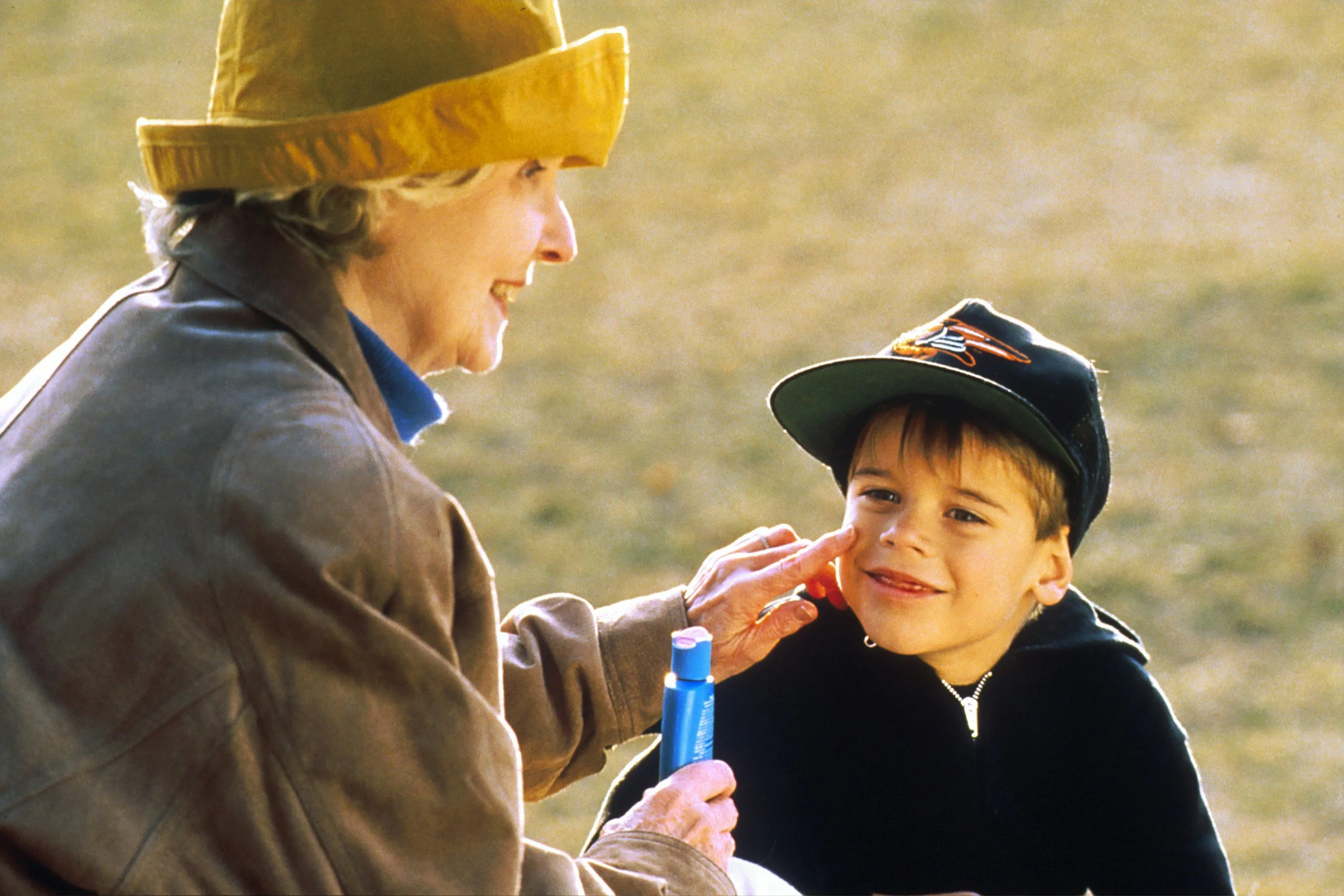
A grandmother may be helping her grandchildren understand why they can’t live with their mother while also grieving what is happening with her own daughter. An aunt may be parenting her niece or nephew while trying to maintain a relationship with her sibling. Kinship caregivers are often asked to balance relationships, emotions, and roles that can be difficult to separate.
At the same time, they may suddenly find themselves trying to navigate systems they have never encountered before.
Who can consent to medical care? How do I enroll this child in school? What financial assistance is available? Do I need a power of attorney, guardianship, or foster care license? What happens at court? Who can help me understand my options?
These are things most people have never had a reason to know until suddenly they need the answers.
We hear from kinship caregivers who are trying to figure all of this out while caring for a child, navigating changing family relationships, and adjusting to a life that may look very different than it did before. Sometimes, despite being the person caring for the child every day, they don’t feel heard by the systems they are trying to navigate.
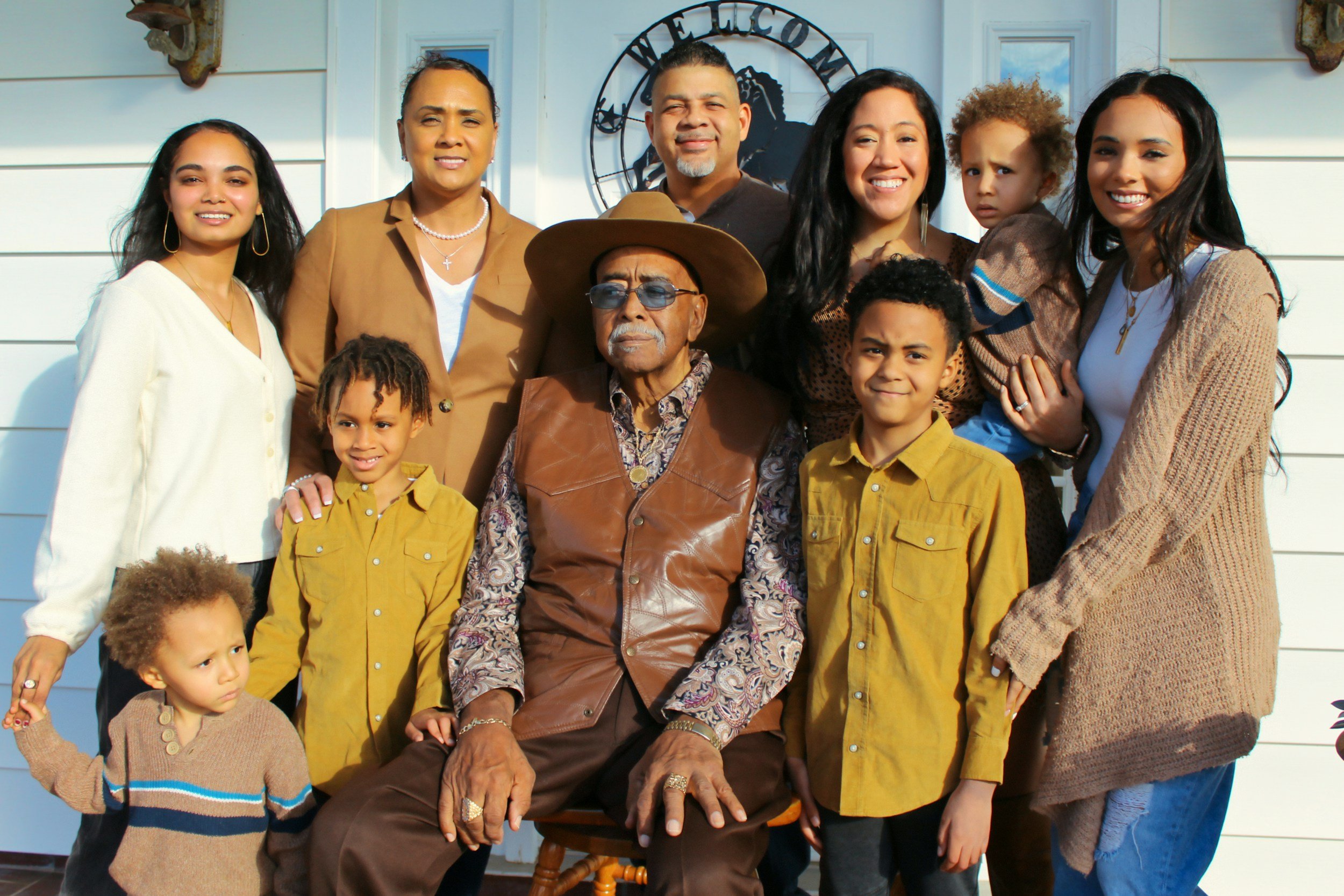
Keeping children connected to family also means making sure kinship caregivers have support along the way. That can mean providing clear information, helping caregivers understand their options, connecting them to resources, and listening when they tell us what they need.
This September, as we recognize Kinship Care Month, let’s honor the grandparents, aunts, uncles, siblings, family friends, and other kin who step forward for children across Kansas. And as we honor them, let’s continue looking for ways to make their journey a little easier.
Because saying yes is only the beginning. What happens after matters too.
Resources for Kansas Kinship Caregivers
If you are caring for a relative or a child with whom you have a close family-like relationship, you don’t have to figure everything out on your own. There are resources across Kansas that can help.
Kansas Caregivers Support Network (KCSN): Provides individualized support, advocacy, resource navigation, education, and guidance for kinship caregivers as they navigate the needs of the children in their care. Visit our Training Dashboard for a list of available trauma-informed trainings.
Kansas Family Advisory Network (KFAN): Provides support, education, advocacy, training, practical resources, mentorship, and encouragement to families facing difficult circumstances, including those navigating the foster care system.
Kansas Kinship Navigator Program: Through Kansas Children’s Service League (KCSL) KFAN, and FosterAdopt Connect, Kinship Navigators help grandparents, relatives, and other kinship caregivers connect with resources and support available to their families.
Children’s Alliance of Kansas: Offers free training and resources created specifically for kinship caregivers, including Kinship Origins for families beginning their kinship journey and Kinship Path for caregivers looking for more in-depth training and connection with other kinship families.
Kansas Department for Children and Families (DCF): Kinship caregivers may be eligible for financial assistance and other benefits depending on their circumstances. DCF can help caregivers understand what assistance may be available and how to apply.
This blog from Adopt KS Kids