

Helping a Child Heal from Bullying

For prospective adoptive parents and families exploring adoption, it can be heartbreaking to watch a child affected by bullying pull back just when connection matters most. The emotional impact of bullying often shows up as withdrawal, irritability, perfectionism, or a sudden refusal to try anything that might invite attention. The core tension is real: adults can offer reassurance at home, yet school and peer spaces can still feel unsafe, leaving a child without steady social support. Carefully chosen extracurricular activities can add structure, supportive peers, and small chances to succeed, which are powerful confidence building strategies.
Quick Summary of Supportive Activities
Choose team sports to build connection, confidence, and a sense of belonging.
Choose creative arts activities to support emotional expression and healing.
Choose shared goal based clubs to practice social skills in a low pressure setting.
Focus on activities that help your child feel supported, capable, and connected again.
How Activities Help Kids Recover After Bullying
It helps to name what activities really do. Supportive extracurriculars give kids a fresh space to rebuild who they are, practice social skills, and handle big feelings without the pressure of “fixing” everything at once. The goal is steady repair of a child’s sense of self through small, repeatable wins.
For prospective adoptive families, this matters because bullying can make trust feel risky and friendships feel unsafe. A consistent group, caring adults, and clear rules can help your child feel seen and capable again. Many kids also feel better day to day when extracurricular sports participation supports well-being.
Think of an activity like a rehearsal room for real life. Your child can try teamwork, set boundaries, and calm down after mistakes while you cheer from the sidelines. With that foundation, choosing the right activity becomes much easier and more personal.

7 Activity Paths to Try (and the Strength Each Builds)
When a child has been bullied, the “right” activity isn’t about staying busy, it’s about finding a low-pressure place to practice confidence, coping skills, and safe connection. Here are seven paths you can try, each building a different strength.
Try a sports team for teamwork: Start with a low-stakes option (rec league, intramurals, or a short season) and ask the coach how they handle teasing and bench time. Team sports give your child repeated chances to cooperate, read social cues, and feel valued for effort, not popularity. If your child is anxious, choose a role with clear expectations (goalie, timekeeper, junior assistant) and increase participation as comfort grows.
Choose art classes for self-expression: Look for a class where kids can work side-by-side without having to talk the whole time. Art gives children a way to “say it without saying it,” which is especially helpful for kids who shut down after bullying. At home, you can support this by saving a small folder of their work and asking one gentle question: “What title would you give this?”
Use music lessons to build focus: Consider 10–15 minute practice blocks, 4–5 days a week, rather than long sessions that invite frustration. Music is great for emotional regulation because it rewards steady repetition and teaches kids how to recover from mistakes in real time. If one-on-one lessons feel intense, start with group lessons or a beginner band where the social pressure is spread out.
Join drama clubs for public speaking (and brave try-again energy): Start with backstage jobs, props, costumes, set painting, then move to small speaking roles once your child trusts the group. Drama helps kids rehearse confidence in a structured setting: there’s a script, clear cues, and adults guiding the tone. Practicing “big voice” and eye contact in a role can feel safer than doing it as themselves.
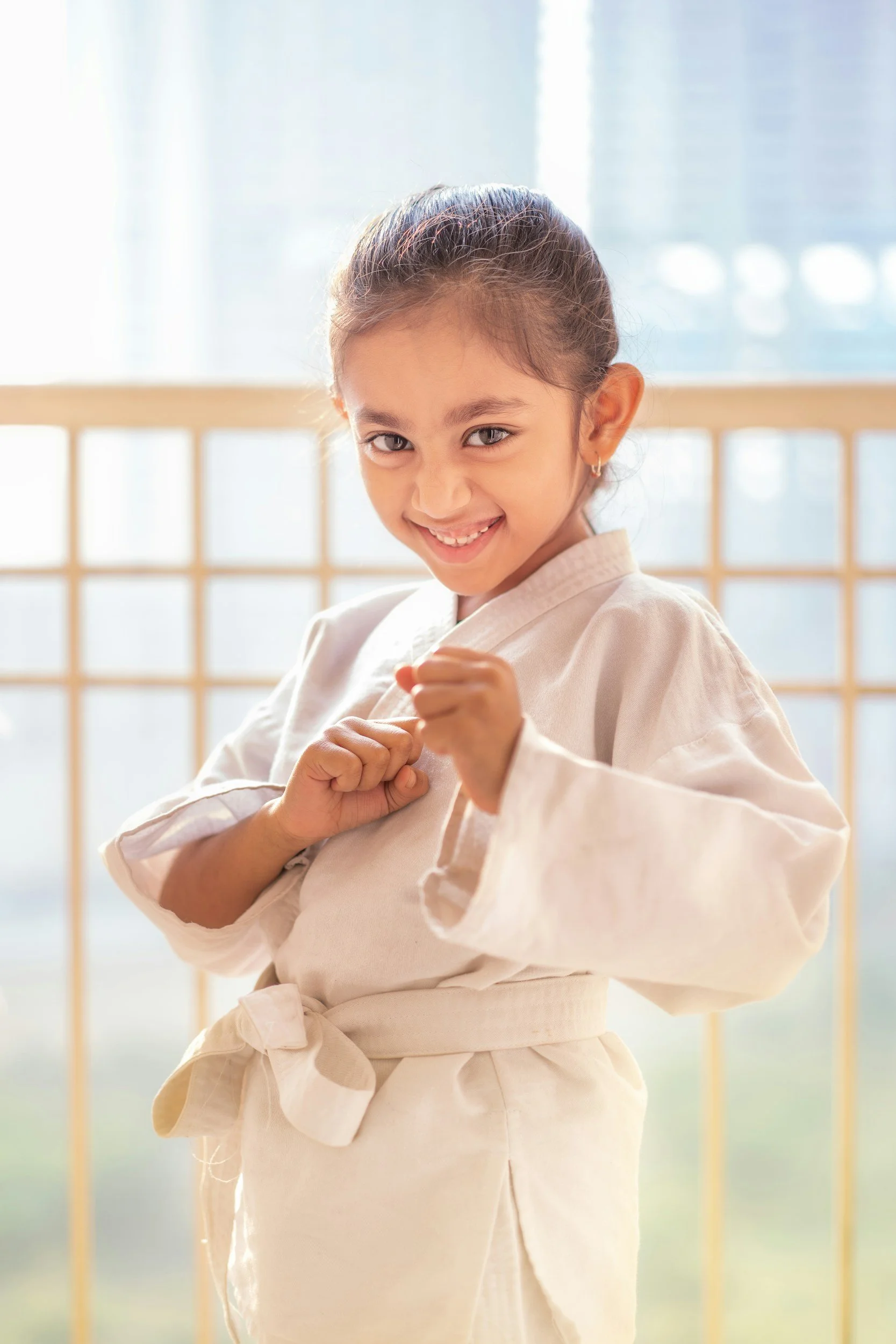
Explore martial arts for discipline and body confidence: Choose a school that emphasizes respect, boundaries, and de-escalation, and ask how they respond if a child feels triggered. Many kids like the predictable routine: warm-up, skill, practice, cool-down. You can reinforce the empathy side too, some programs explicitly teach kids to be a friend to the victim by including others and offering kindness.
Consider scouting programs for leadership: Start with a “try it” event or a short-term badge/project so your child can sample without a huge commitment. Scouting-style groups build leadership in small, concrete steps: taking turns, planning, speaking up, and following through. For children with trauma histories, the structure and adult oversight can make social risk feel more manageable.
Add volunteering to strengthen empathy and belonging: Begin with a one-time, family-volunteer shift (food pantry sorting, park cleanup, donation drive) so your child isn’t walking in alone. Helping others can shift a child’s story from “I’m powerless” to “I matter,” which supports self-esteem after bullying. Keep it short at first, 60–90 minutes, and debrief with two questions: “What felt good?” and “What felt hard?”
Common Questions Parents Ask
Q: What types of extracurricular activities are most effective in helping children build confidence after experiencing bullying?
A: Look for activities with clear rules, kind adult supervision, and measurable progress, like beginner martial arts, rec sports, music, or scouting-style clubs. Confidence grows when kids experience small wins and safe relationships, which is part of building resilience through resources and processes. Start with a two-week trial and choose the lowest-pressure entry point.
Q: How can creative outlets like art or music classes aid children in processing their emotions related to bullying?
A: Creative classes let kids express big feelings without needing the perfect words, which can reduce overwhelm. Ask for a supportive teacher who allows breaks and offers choices, not public critique. At home, keep it simple: “Show me one part you like.”
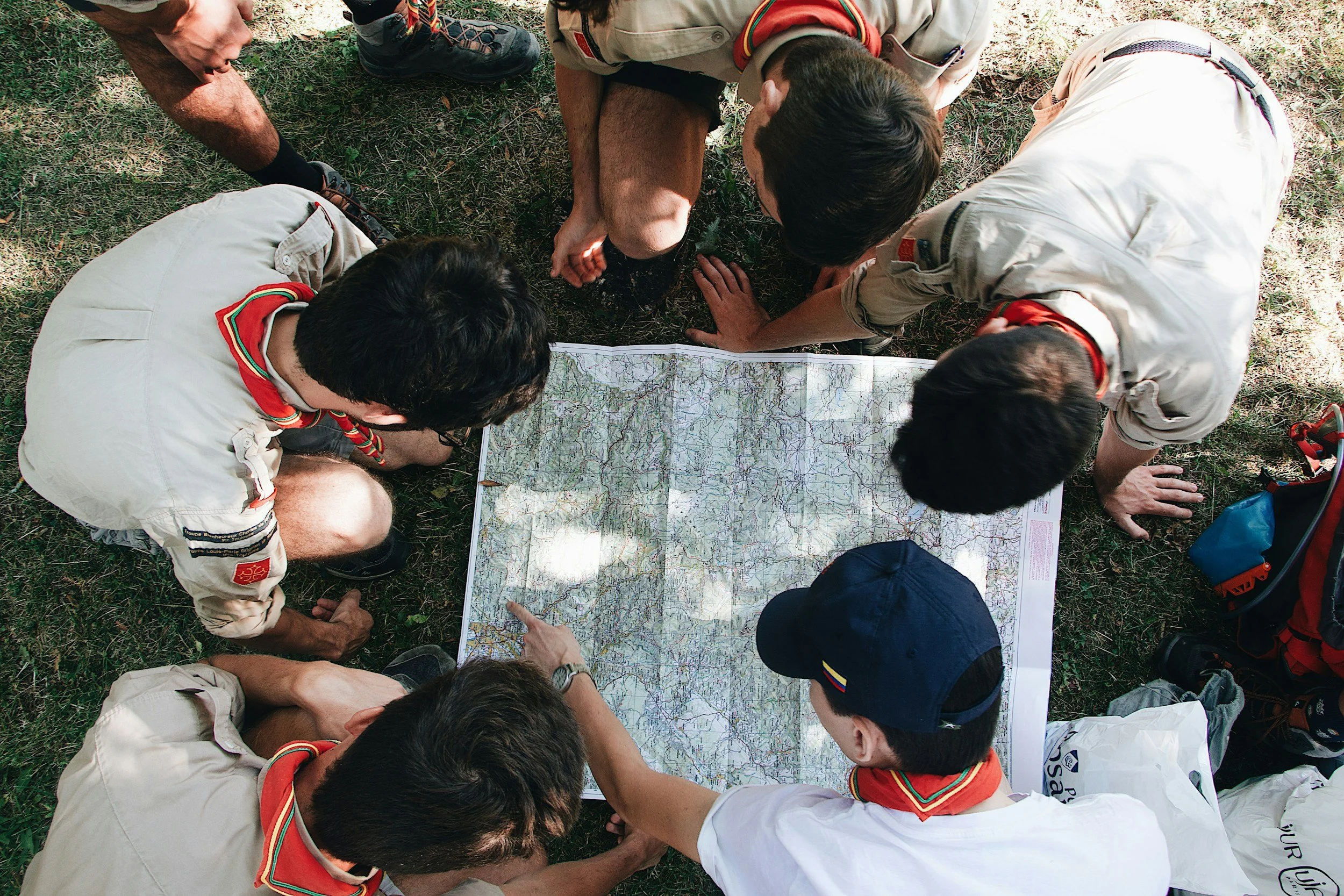
Q: In what ways do team-based activities such as sports or scouting programs support children who feel isolated or overwhelmed?
A: Teams provide predictable roles and shared goals, so your child is not carrying the social load alone. Before signing up, ask leaders how they handle teasing, group chat issues, and playing time so safety is clear. If you're exploring planning paperwork, a short season or limited commitment can prevent burnout.
Q: How can volunteering opportunities help children develop empathy and a sense of purpose while coping with bullying?
A: Helping others can shift a child from feeling powerless to feeling capable, especially when you volunteer together the first time. Choose brief, structured tasks and debrief afterward with one “good moment” and one “hard moment.” For adoptive families facing identity-based teasing, racial socialization can lower stress and pairs well with service that celebrates community.
Q: If I want to start a small business based on a hobby my child enjoys, how can I confidently handle the paperwork and planning involved?
A: Keep your child’s healing first by separating “kid activity time” from “parent planning time” so it does not become another stressor. Make a one-page plan: goal, budget cap, weekly hours, and a stop rule if it overwhelms your family. Then create a simple checklist to compare options for registration, taxes, and recordkeeping, and ask a professional when you hit a decision you do not understand.
Common Questions About Confidence-Building Activities
Q: How can sports teams help children who have experienced bullying improve their confidence and social skills?
A: A well-run team gives kids a role, predictable rules, and small chances to succeed, which builds confidence without forcing big social leaps. Ask the coach how they handle teasing and how they teach inclusion, then set a simple routine of consistent practices plus one brief weekly check-in at home. Many kids also benefit from extra movement since 85% of children not meeting guidelines means physical activity can be a growth area.
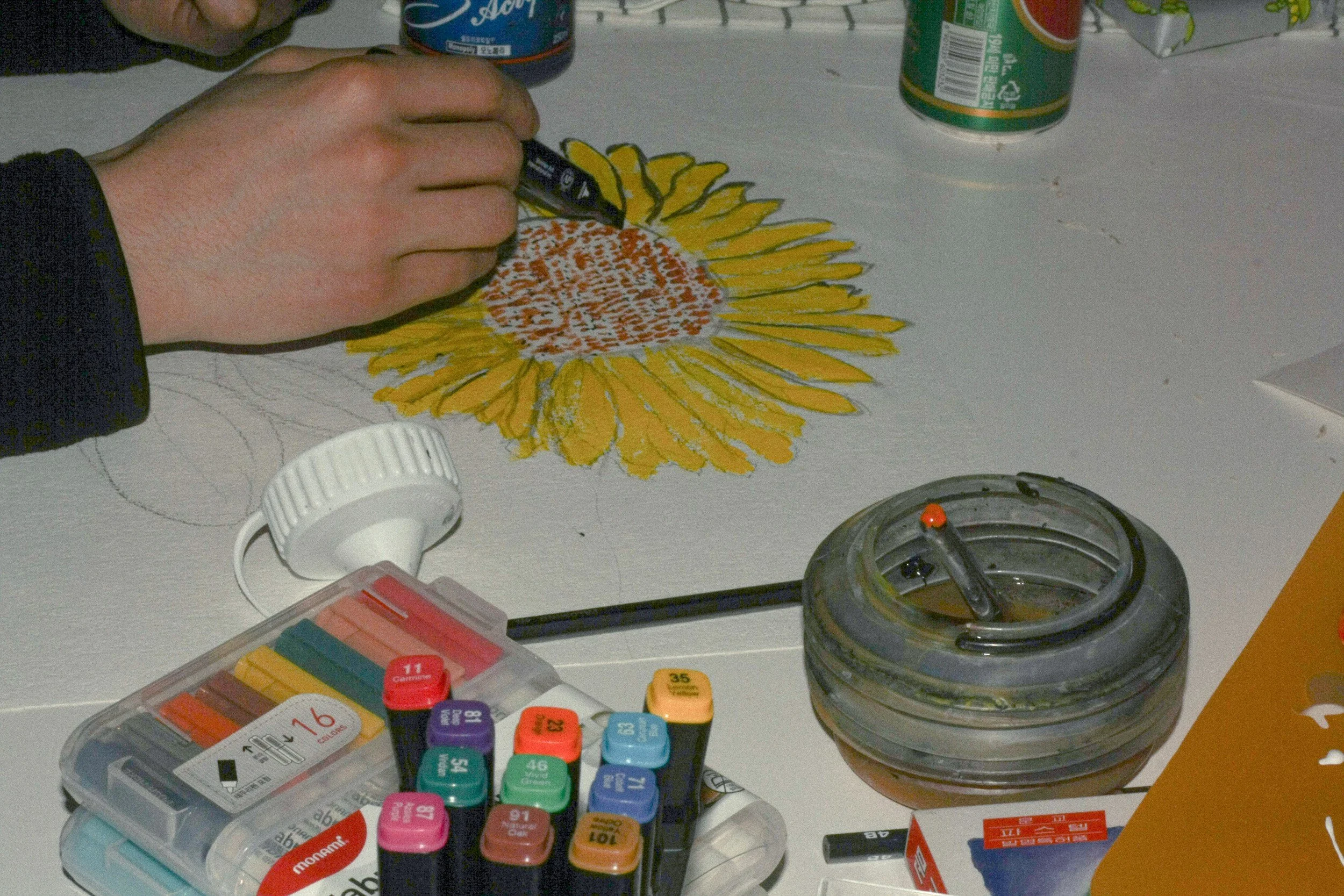
Q: What types of art or creative activities are best for children to express emotions related to bullying?
A: Choose low-pressure options that focus on process, like drawing feelings as colors, collage, clay, or comic strips with a “hero’s journey” theme. Keep the routine predictable, such as 20 minutes once or twice a week, and let your child decide what to share. If possible, coordinate with the instructor about gentle feedback and private corrections.
Q: In what ways do music lessons support emotional healing and focus for kids overcoming bullying experiences?
A: Music creates a calming structure where progress is measurable, which helps kids rebuild a sense of control. Pick short practice blocks and use a weekly check-in to celebrate effort, not perfection. It can help to share one note with the teacher about triggers like public solo pressure.
Q: How do martial arts classes contribute to building self-esteem and resilience after bullying?
A: Martial arts can help children feel safer in their bodies through clear boundaries, respectful coaching, and gradual skill belts. Look for classes that emphasize self-control and anti-bullying values, then keep attendance consistent so confidence accumulates. Many families find that regular routines support cognitive function and make it easier to stay engaged.
Q: If I'm interested in starting a small business to fund extracurricular activities for my child, what steps can help me manage the paperwork and administrative tasks efficiently?
A: Protect your child’s healing time by setting a firm schedule, such as one admin hour weekly, and keeping activity time screen-free and kid-focused. Use a one-page tracker for income, expenses, and deadlines, and do a five-minute Sunday review to prevent last-minute stress. If you’re forming a new business, using a service such as ZenBusiness can help keep core setup and compliance tasks organized so your limited admin time stays predictable.
Growing Confidence After Bullying Through One Steady Activity
When a child has been bullied, it can feel risky to try anything new, especially in a group, and even small setbacks can hit hard. The way through is a steady, supportive approach: empowerment through extracurriculars paired with predictable family encouragement and gentle consistency. Over time, those repeated “I showed up” moments become long-term growth strategies that rebuild trust, belonging, and positive child development. Healing after bullying happens one brave, supported practice at a time. Choose one next step this week, ask about a class, visit a practice, or sign up for a low-pressure trial. These small choices build the stability and resilience that help kids grow into themselves.
